Life so Far
Life so Far
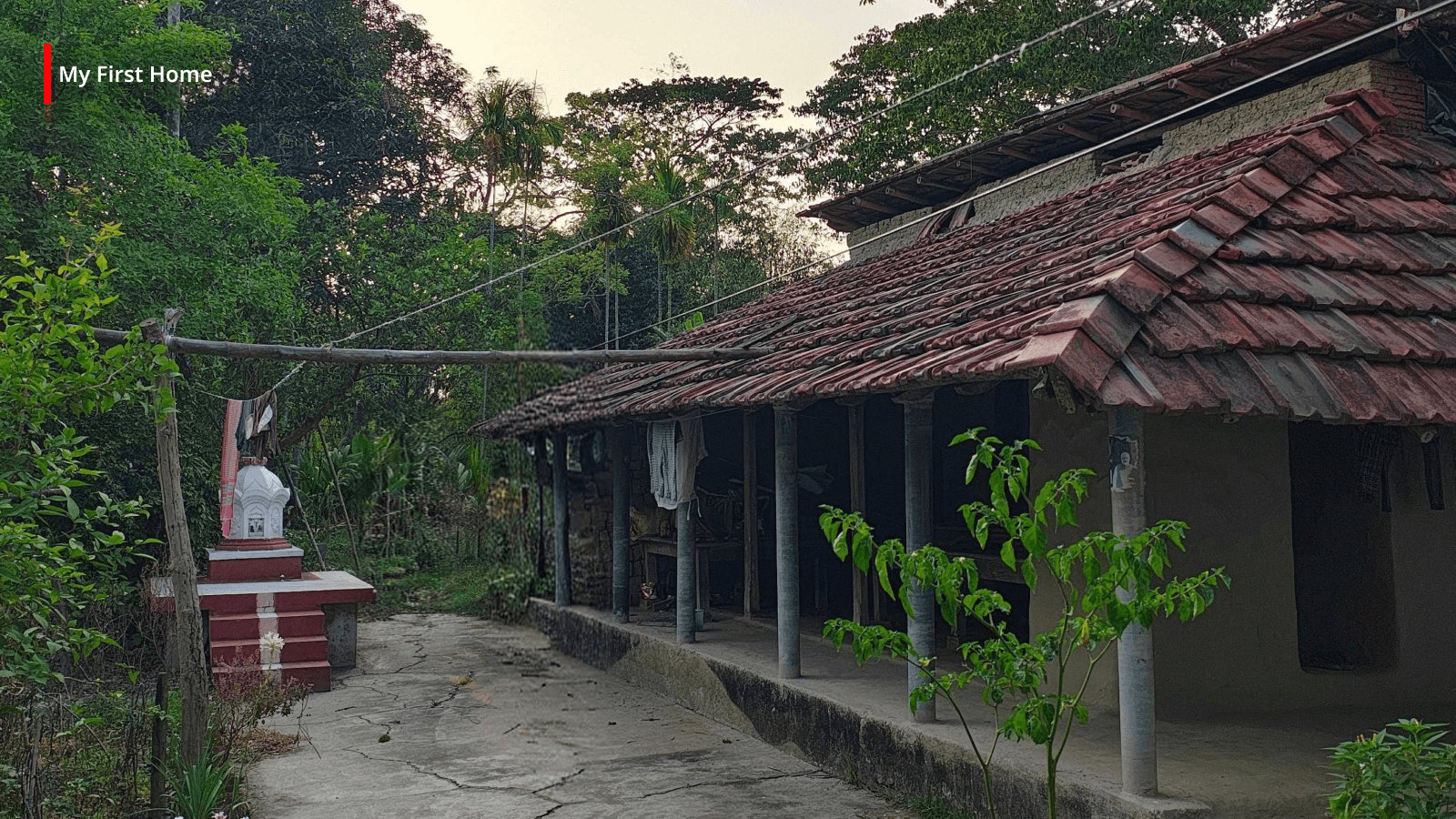
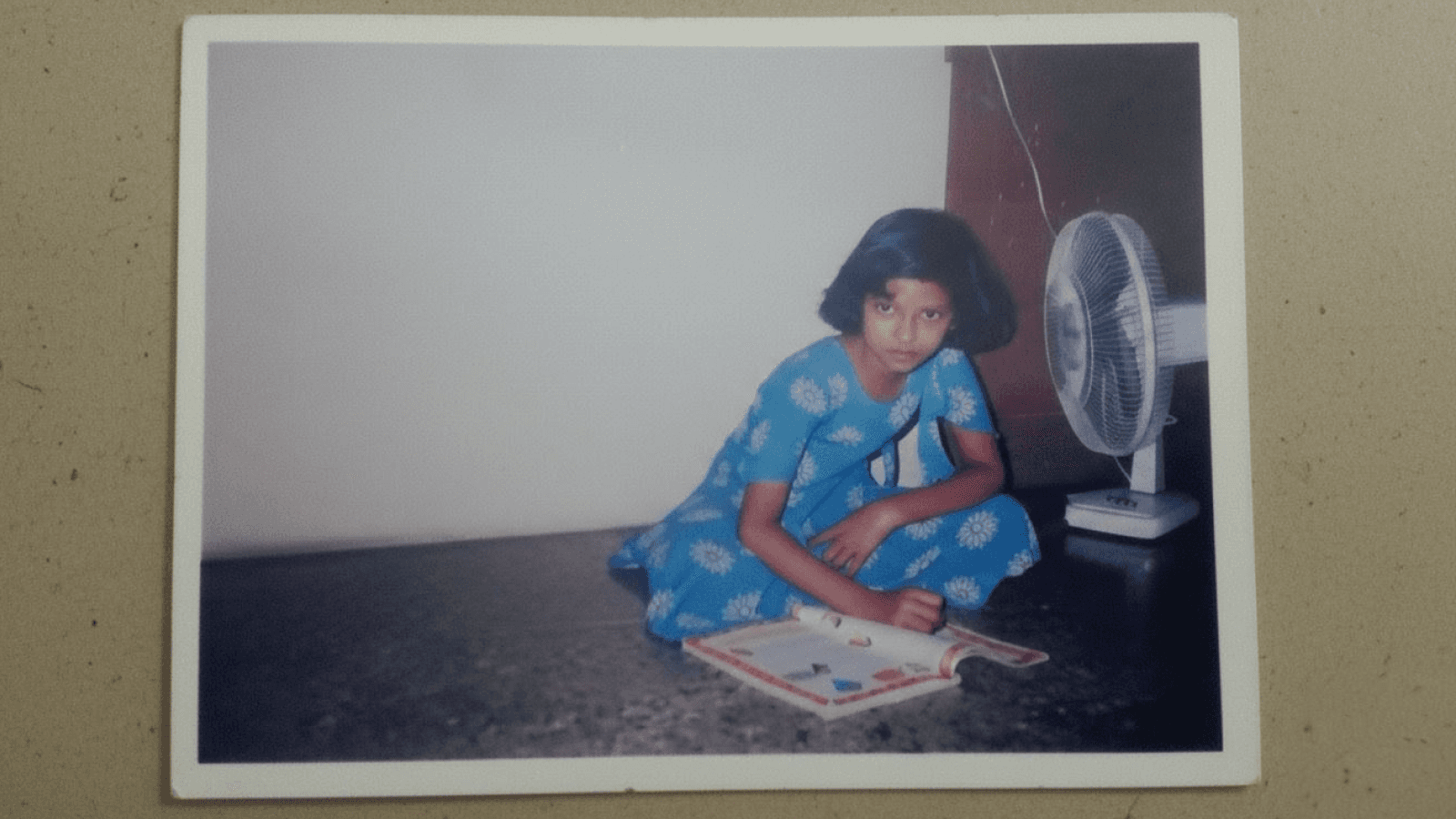
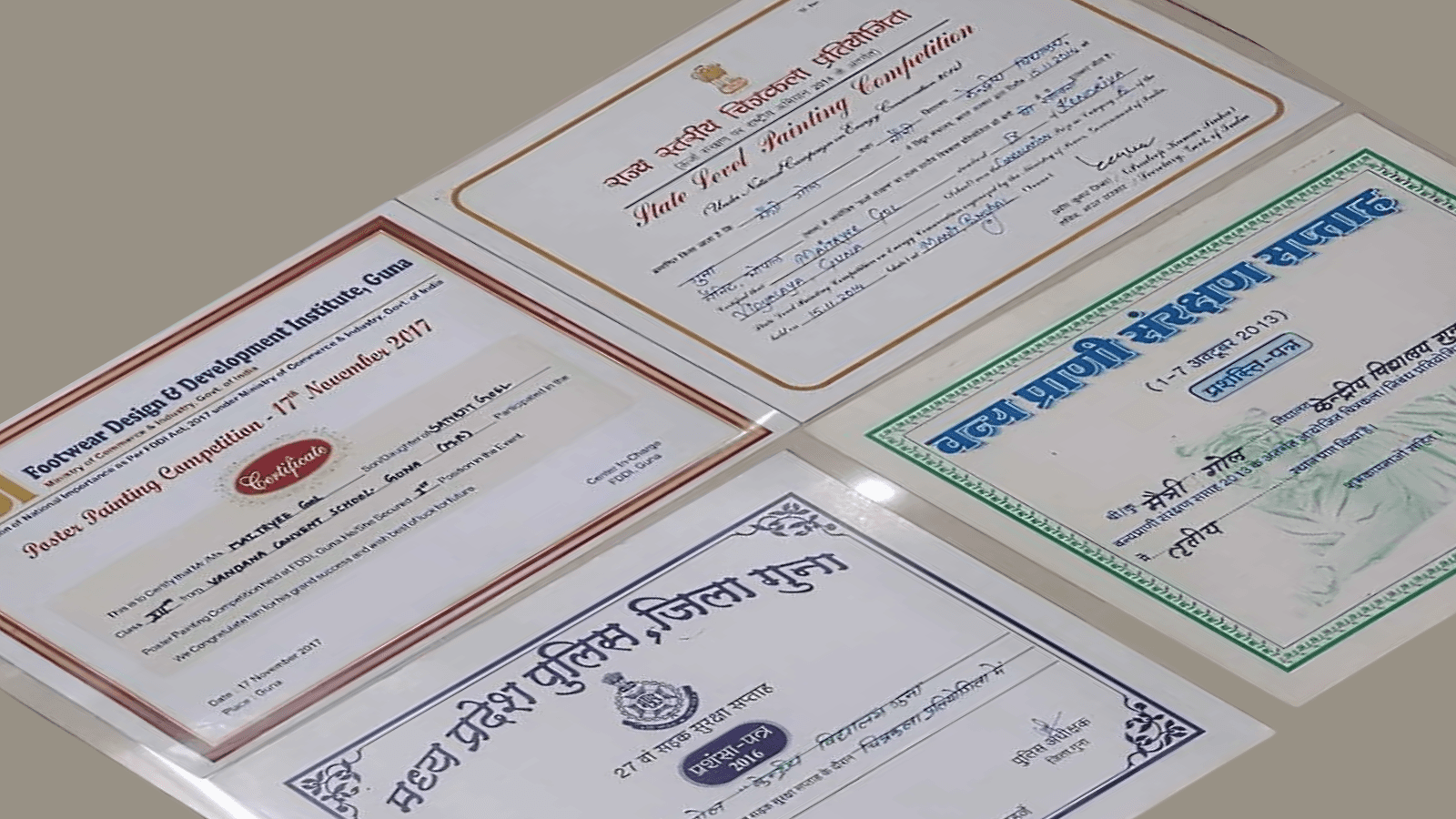
I was born in Shimulbari, a small village in West Bengal. But then I changed 6 cities and 8 schools due to my father’s transferable job. Although one thing stay consistent across my school life that I was recognised for Art & Academics.
I was born in Shimulbari, a small village in West Bengal. But then I changed 6 cities and 8 schools due to my father’s transferable job. Although one thing stay consistent across my school life that I was recognised for Art & Academics.
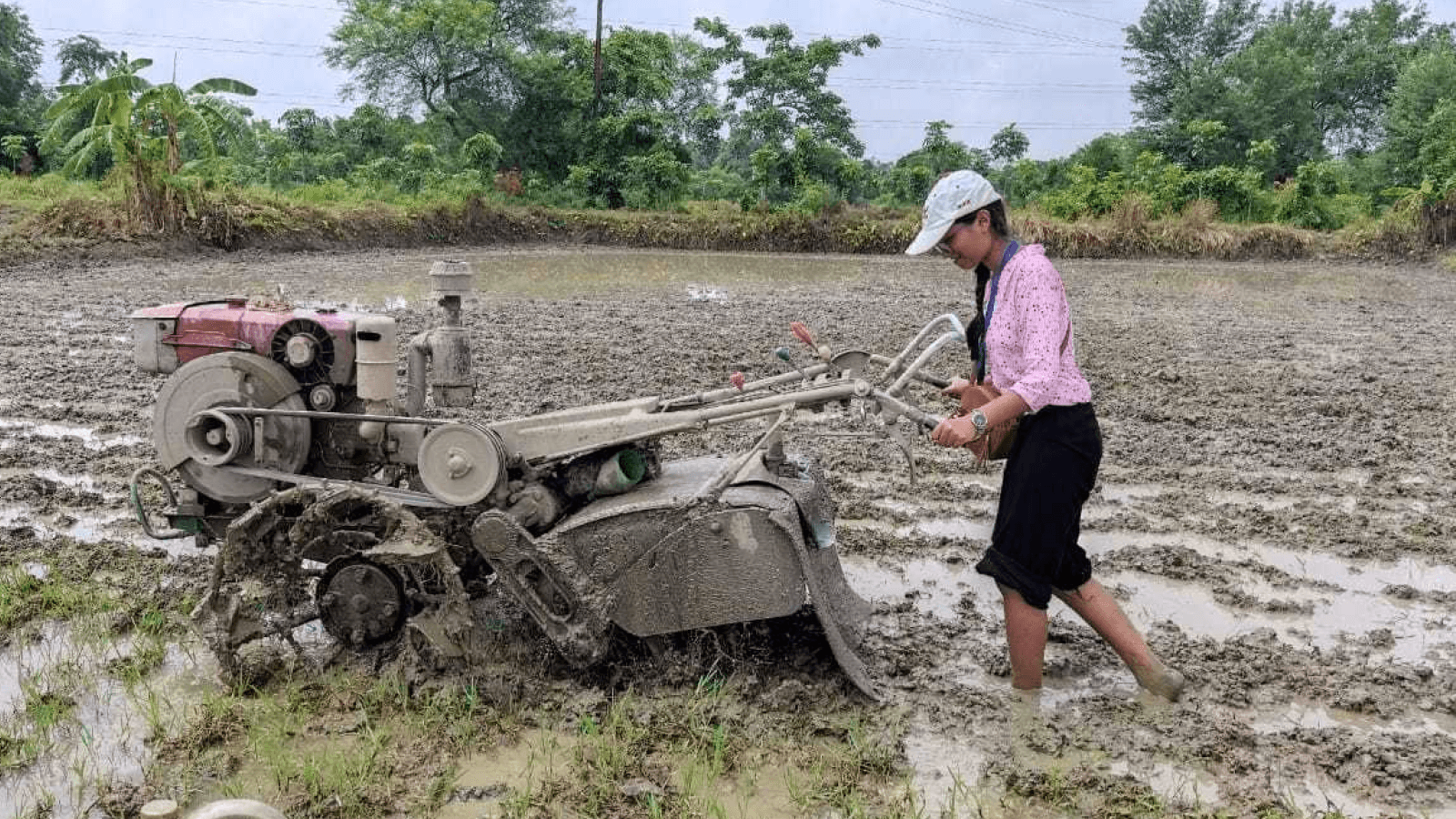
I initially wanted to be a doctor because it involves practical problem-solving and direct impact on human life. While preparing for NEET, I realised my strength is first-principle problem-solving rather than relying on memorised recall. When I couldn’t make it, I chose the closest field I understood—agriculture—which also connects to my rural roots.
I initially wanted to be a doctor because it involves practical problem-solving and direct impact on human life. While preparing for NEET, I realised my strength is first-principle problem-solving rather than relying on memorised recall. When I couldn’t make it, I chose the closest field I understood—agriculture—which also connects to my rural roots.
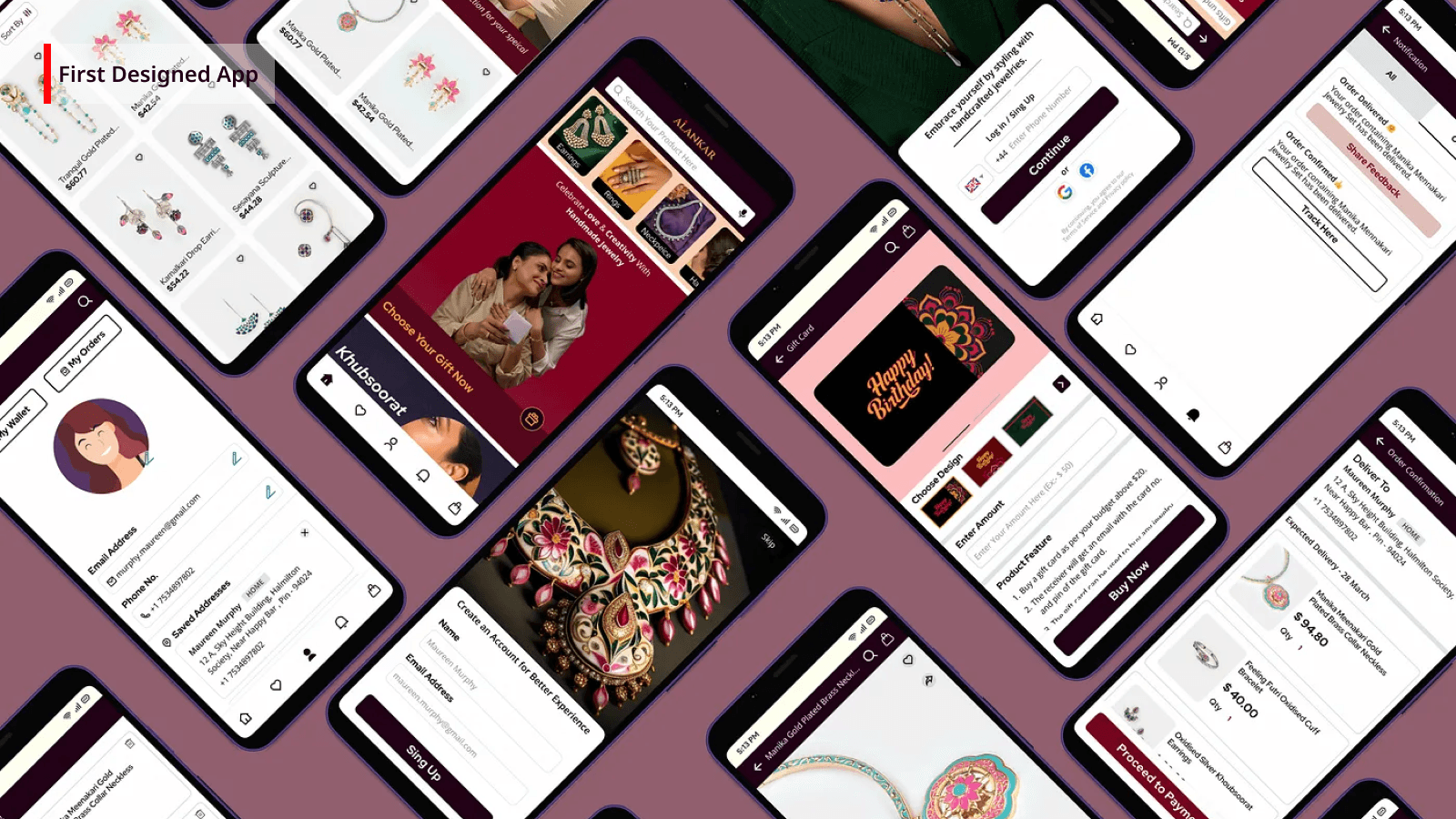
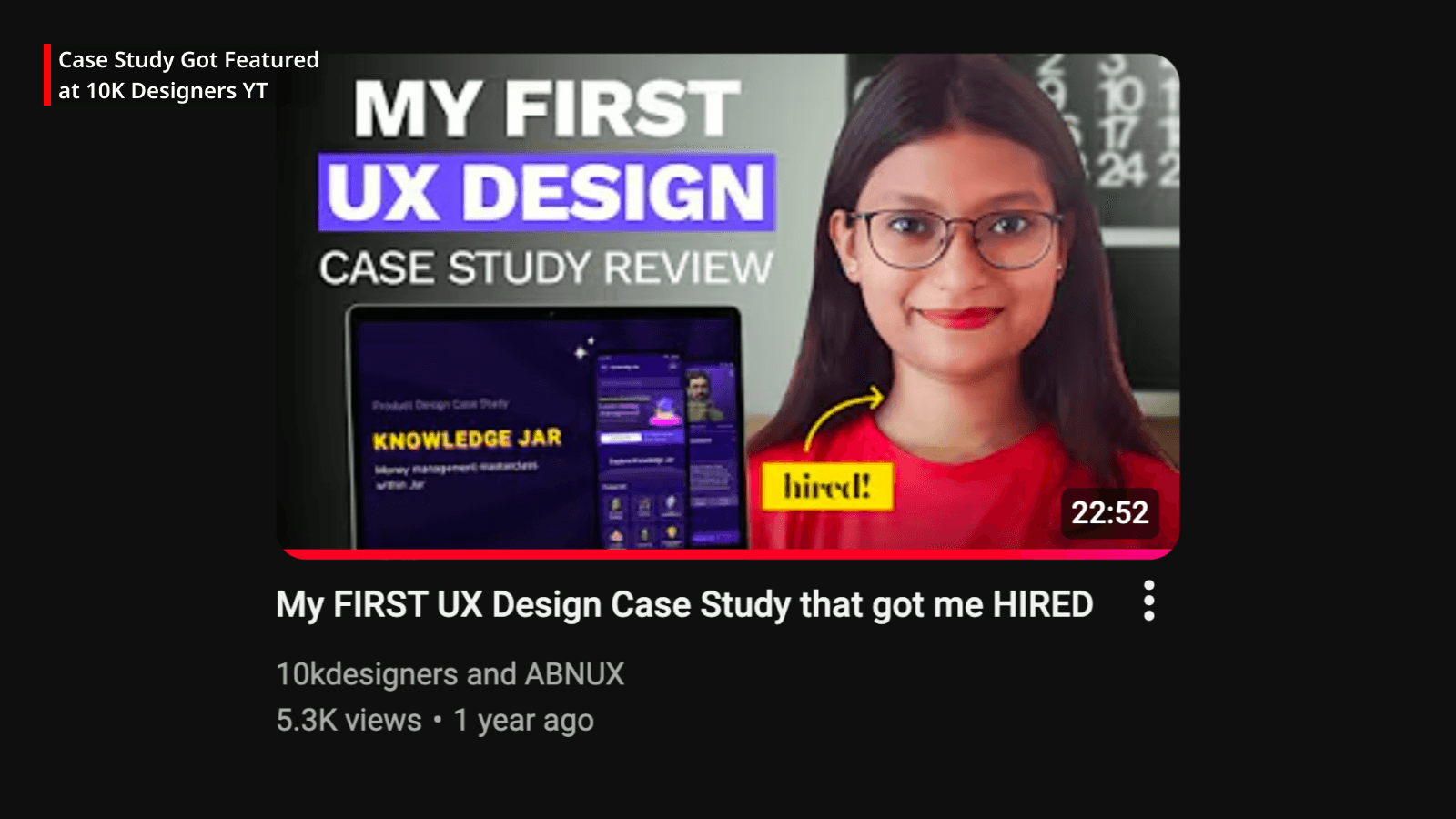
During my second year, the lockdown led me to explore skill-based learning, where I discovered UX/UI design. It brought everything together—creativity, hands-on problem-solving & impact. I self-learned design, built my first mobile application, and became proficient in Figma. While documenting early case studies, I realised I lacked UX fundamentals and product thinking, so I joined the 10k Designers cohort to build that foundation.
During my second year, the lockdown led me to explore skill-based learning, where I discovered UX/UI design. It brought everything together—creativity, hands-on problem-solving & impact. I self-learned design, built my first mobile application, and became proficient in Figma. While documenting early case studies, I realised I lacked UX fundamentals and product thinking, so I joined the 10k Designers cohort to build that foundation.
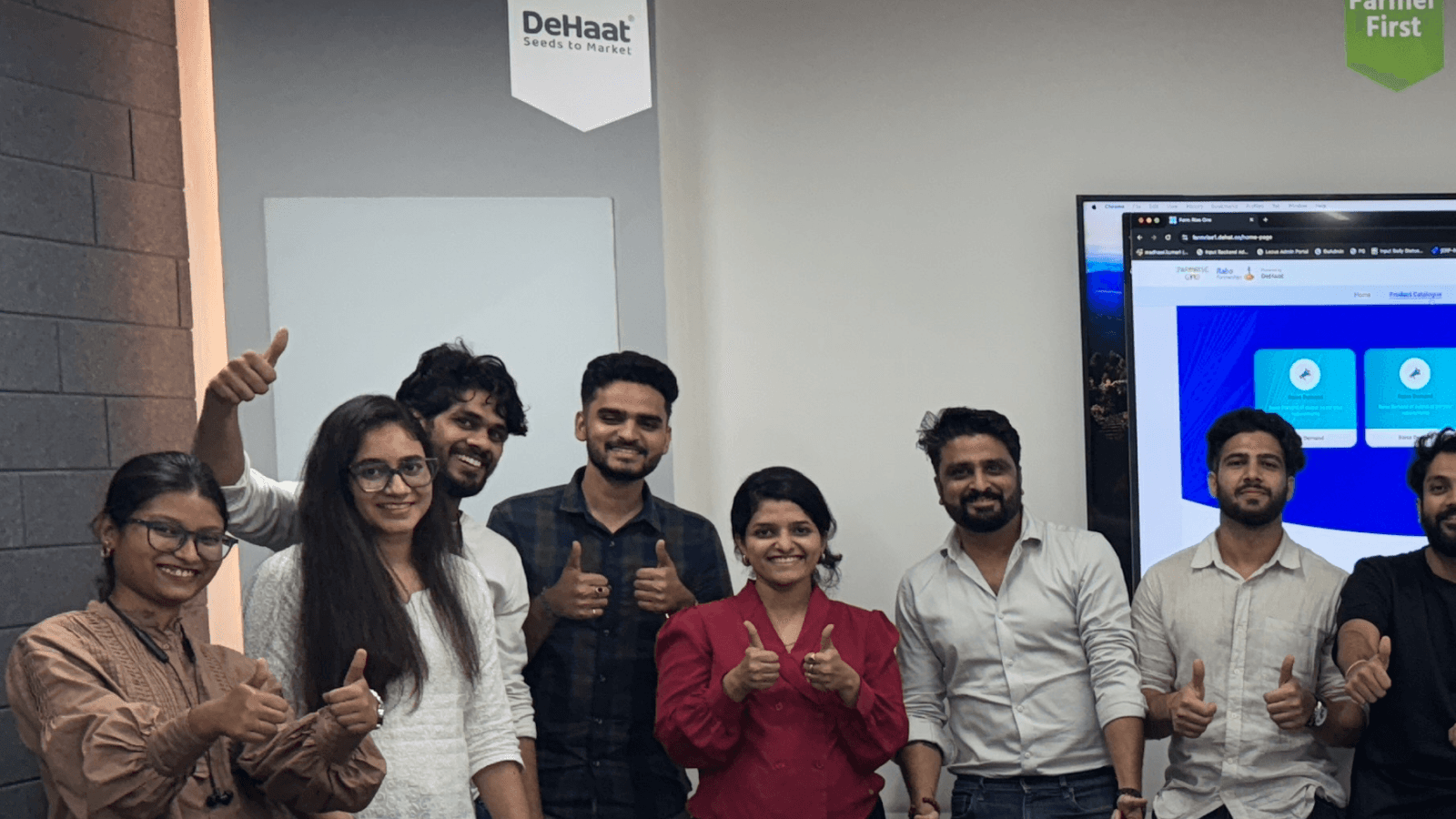
I started my career as a Product Design Intern at DeHaat. Today, I work as a Product Designer-2 at DeHaat, solving cross-vertical problems and designing experiences farmers, agri-retailers, and enterprise clients.
I started my career as a Product Design Intern at DeHaat. Today, I work as a Product Designer-2 at DeHaat, solving cross-vertical problems and designing experiences farmers, agri-retailers, and enterprise clients.
When I’m offline
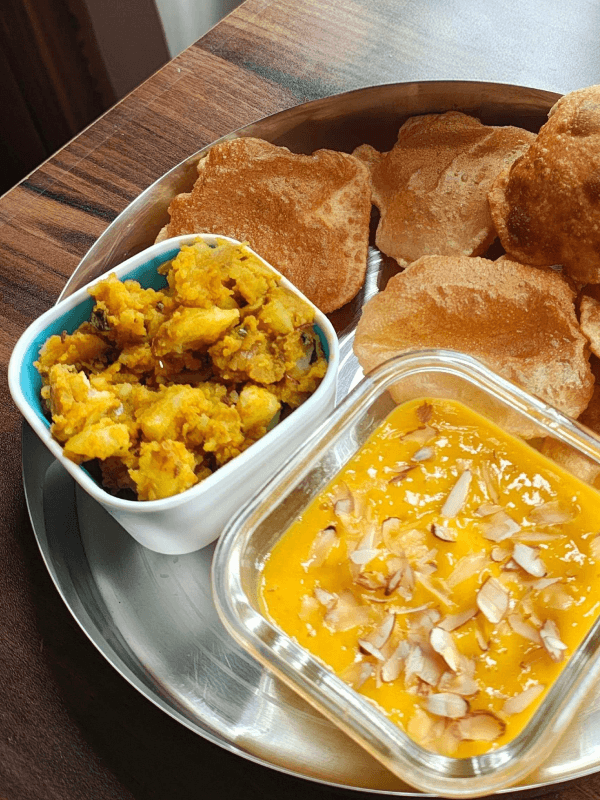
Perhaps I am cooking, soaking in nature, painting or admiring architecture

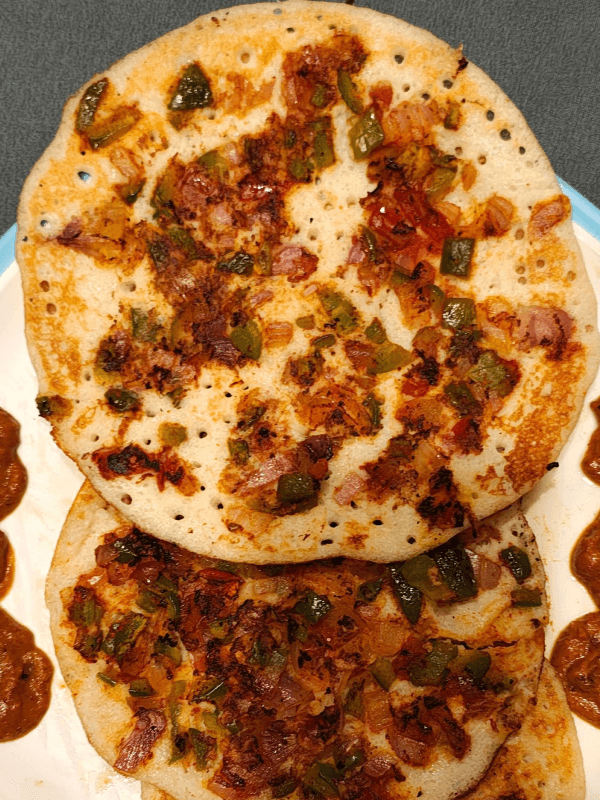

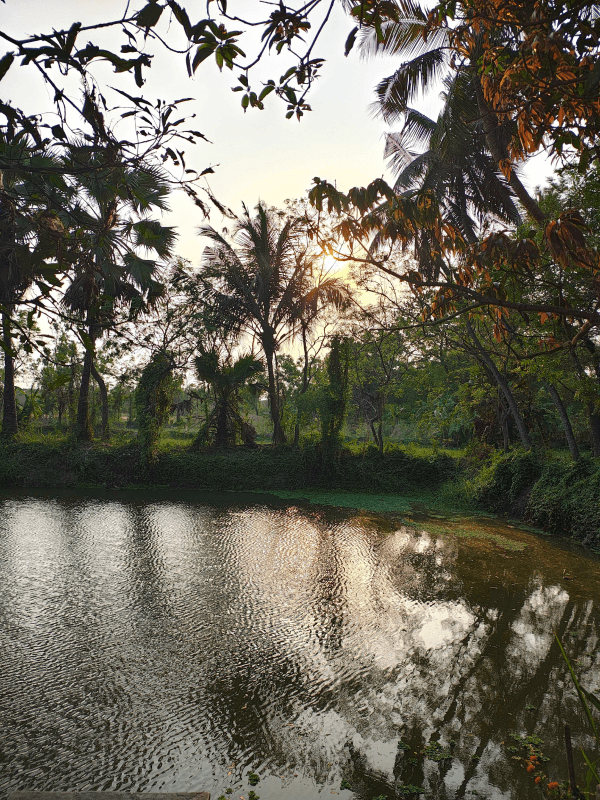
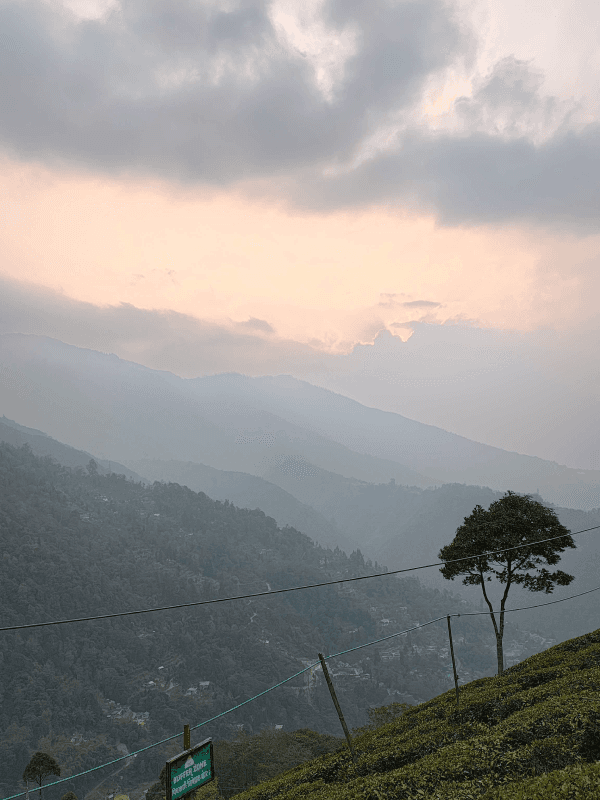

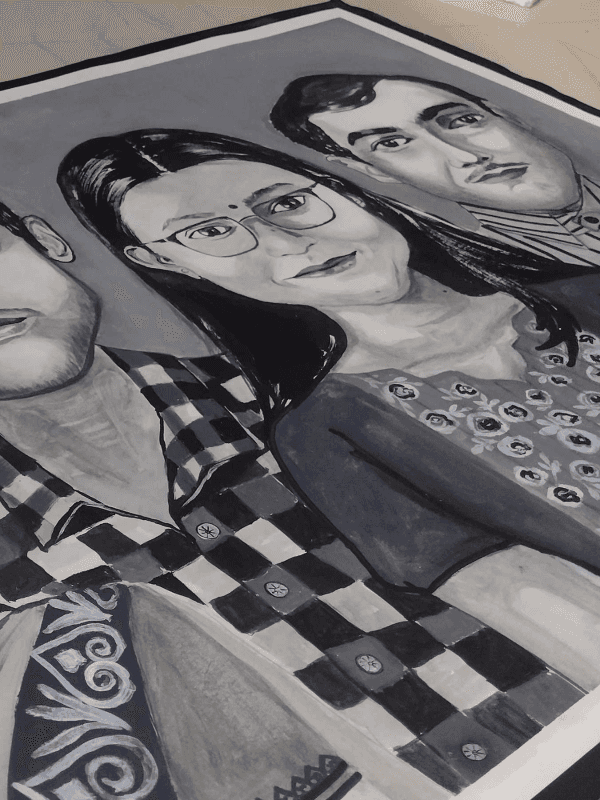
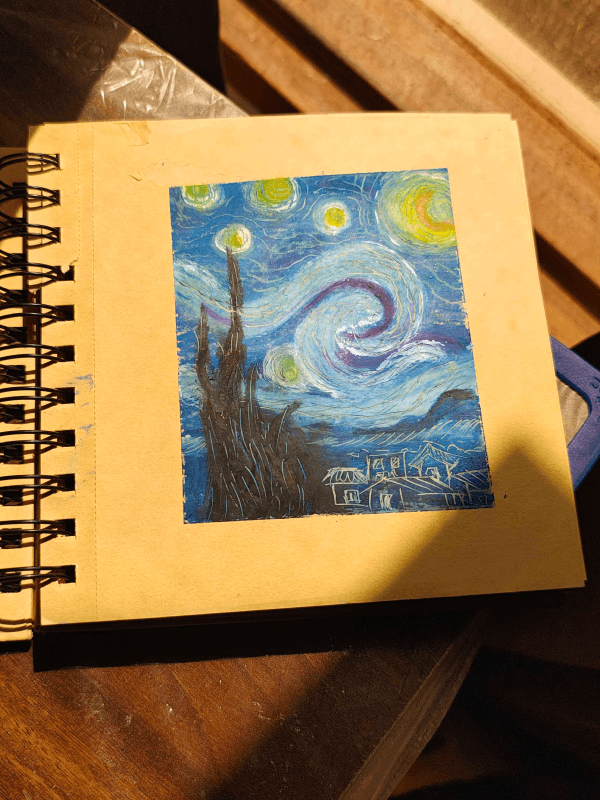
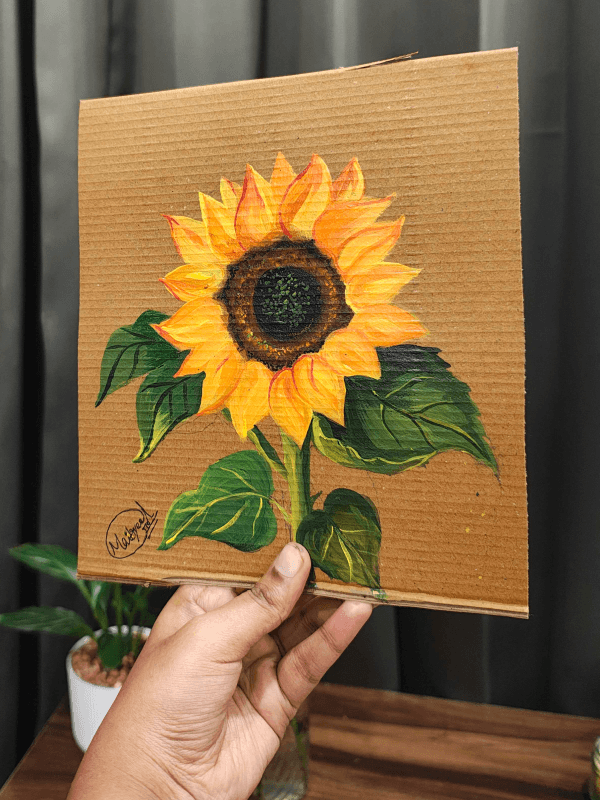
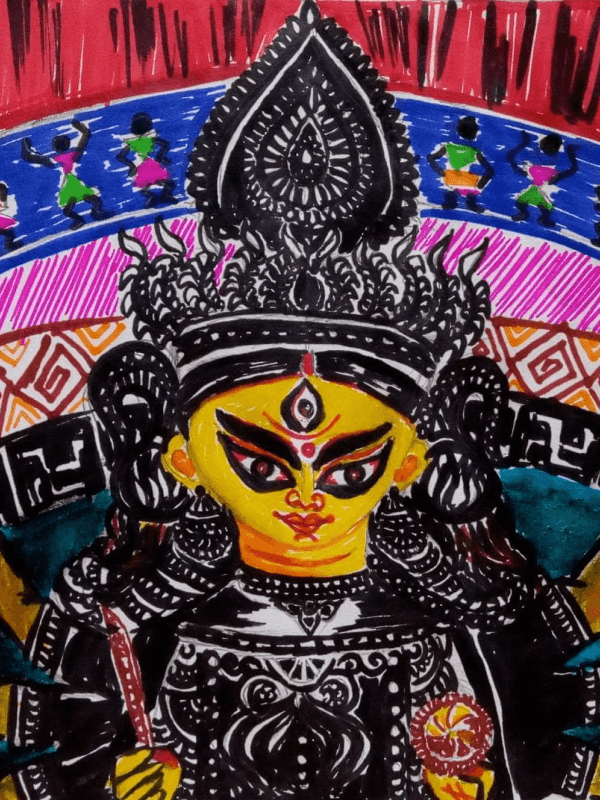

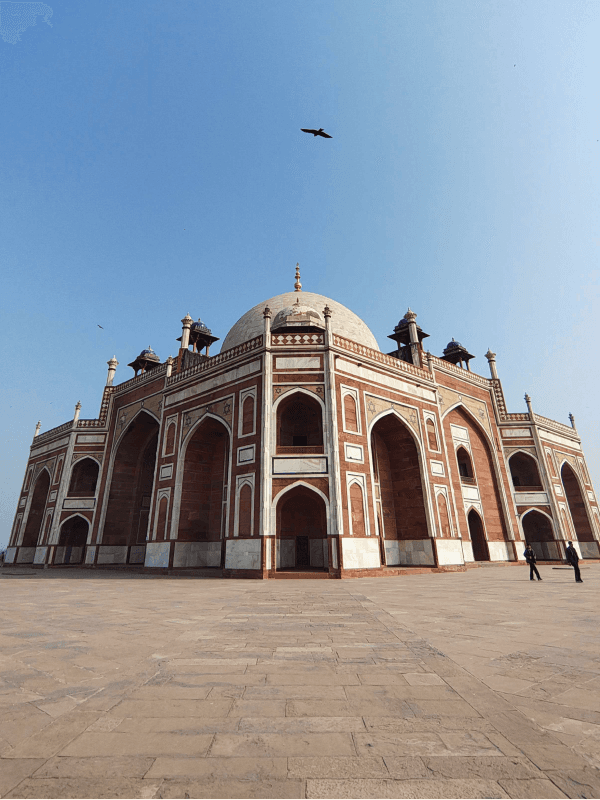
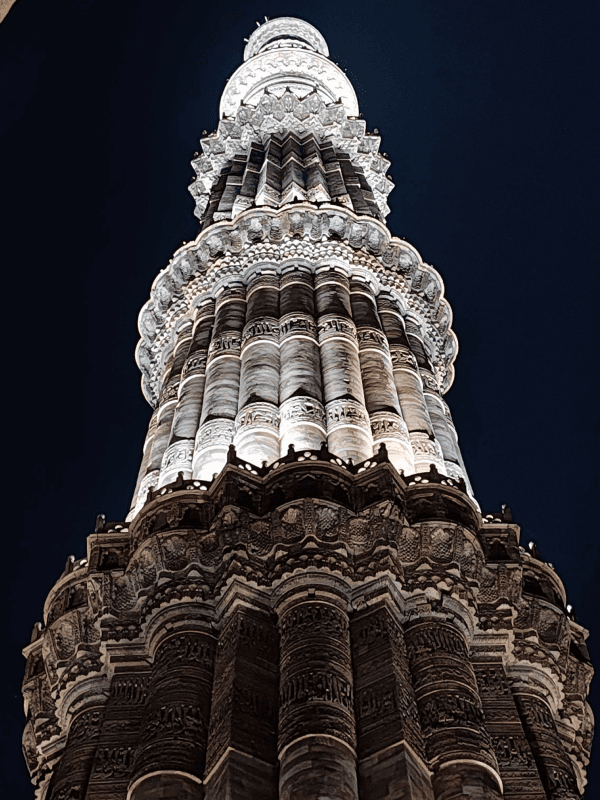
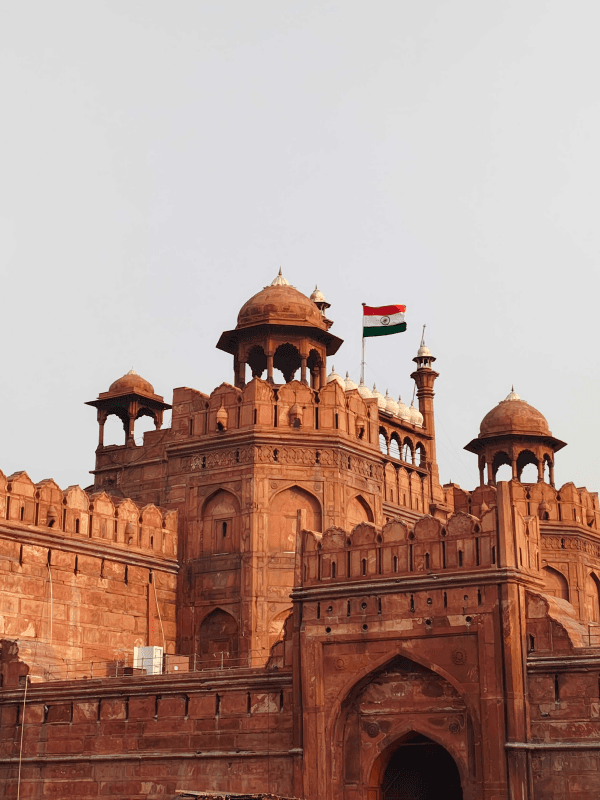
When I’m offline
Perhaps I am cooking, soaking in nature, painting or admiring architecture

1
What is my Design Process?
Brief Evaluation & Scoping
I check whether the brief clearly states the problem, the expected user impact, and the value proposition for adoption.
Research or Hypothesis Building
I form hypotheses based on available data or transferable established mental models and behavioural patterns. If there are gaps in understanding user behaviour, pain points, or adoption drivers, I validate them through user conversations or on-the-ground observations.
Journey Structuring and Ideation
Map stages, user actions, and system responses. Explore multiple solutions, and evaluate trade-offs.
Sketching & Alignment
Create rough flow sketches to explore structure and interactions. Review with stakeholders, most iterations happened here.
Visual Design & Validation
Design and prototype. Run usability reviews (sometimes internally sometimes with real users), refine and participate in UAT before launch.
2
How do I leverage AI at work?
Independent Thinking First, followed by AI Exploration
I explore possible solution journeys at my own, then I let AI explore the problem independently to surface blind spots.
Comparative Evaluation of multiple approaches & trade off analysis
Run criteria-based pros–cons evaluations across competing approaches to select the best path.
Backup Ideation When Blank
When stuck, I use AI tools (e.g., Figma Make, Lovable) to generate starting structures.
Visual & Copy Acceleration
I leverage AI heavily to refine microcopy, simplify messaging, and generate visual assets or early explorations to move faster.
Human Ownership Throughout
AI strengthens exploration and acceleration, but final decisions, accountability, and product judgment remain entirely human-led.
3
What’s my current design philosophy?
Functionality and Efficiency
Working across multiple verticals in a lean team, I design practical, buildable solutions that align user needs, business goals, team bandwidth, and ensure product functionality.
I look forward to growing in environments where functionality is elevated through pleasing experience-led design.